Rising
Damp.
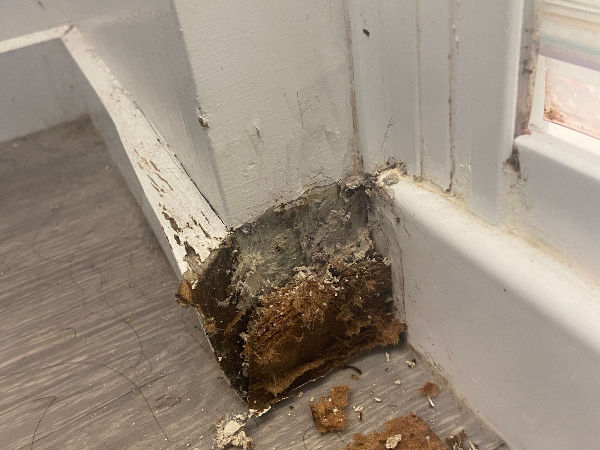
Rising damp is a form of moisture ingress where groundwater is drawn upward through porous masonry—such as bricks, mortar, and stone—by capillary action.
Why it matters
-
Degrades internal finishes and masonry
-
Encourages mould growth and unhealthy indoor conditions
-
Leads to salt contamination that prevents redecoration
-
Causes long-term deterioration if left untreated
How it works
1
Chemical Damp-Proof Injection
Chemical damp-proof injection involves injecting a specialised liquid into masonry mortar joints, where it cures to form a moisture-resistant barrier, blocking capillary water rise and preventing rising damp within walls.
2
Physical DPC
Installation of physical damp-proof course systems involves inserting a durable barrier within masonry walls to prevent ground moisture rising, typically used where chemical systems are unsuitable or where severe or ongoing rising damp is present.
3
Replacement of Salt-Contaminated Plaster
Removal and replacement of salt-contaminated plaster involves stripping affected finishes and reapplying salt-resistant render systems to prevent moisture and salts from reappearing, ensuring durable finishes and long-term rising damp control.
4
Improve Ventilation
Improving drainage and ventilation around the structure involves managing ground moisture and airflow to reduce damp conditions, prevent moisture build-up at wall bases, and support the effectiveness of damp-proofing systems.