Façade Restoration.
Façade restoration is the process of repairing, cleaning, and strengthening the exterior surfaces of a building to restore its appearance, integrity, and safety. It’s often applied to aging, weathered, or damaged façades, especially in heritage or high-rise buildings.
Objectives
-
Repair structural or cosmetic damage.
-
Remove dirt, pollution, or graffiti.
-
Restore original architectural details.
-
Prevent water ingress and corrosion.
-
Improve safety by securing loose elements.
Common Problems
-
Cracked or spalling concrete.
-
Weathered or faded stone, brick, or render.
-
Corroded metal components (balconies, railings).
-
Deteriorated sealants, joints, or coatings.
-
Loose or damaged tiles, cladding, or panels.
Benefits
-
Restores aesthetic and historical value.
-
Extends building lifespan.
-
Prevents further structural deterioration.
-
Improves safety for occupants and passersby.
-
Enhances building market value.
How it works
1
Cleaning
Cleaning in façade restoration involves removing dirt, pollution, biological growth, and surface stains to restore the building’s appearance and prevent long-term damage. Methods include pressure washing for robust debris removal, chemical cleaning for stubborn stains or contaminants, and laser cleaning for delicate or historic surfaces, ensuring precise, non-invasive restoration.
2
Repair
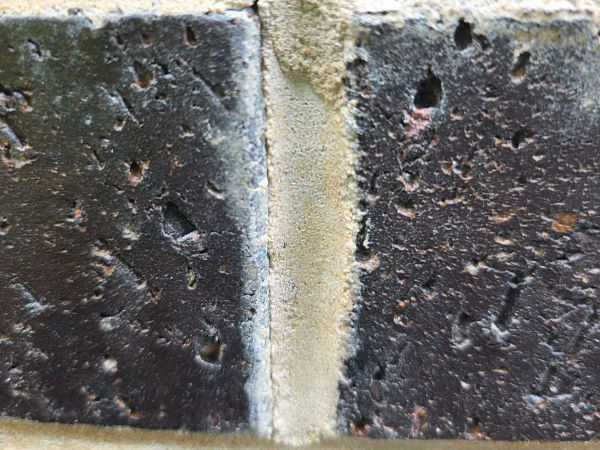
Repair in façade restoration focuses on restoring the structural integrity and appearance of the building’s exterior. This includes repointing brickwork to replace deteriorated mortar, patching concrete to fix cracks or spalling, and replacing damaged stone to maintain both strength and aesthetic continuity, ensuring the façade remains safe and visually consistent.
3
Waterproofing
Waterproofing in façade restoration involves applying specialised coatings or sealants to the exterior surfaces to prevent water infiltration. This protects the structure from moisture-related damage such as corrosion, mold, or concrete spalling, extends the lifespan of the façade, and ensures that both structural integrity and appearance are maintained over time.
4
Structural Reinforcement
Structural reinforcement in façade restoration involves strengthening and stabilising the building’s exterior to ensure safety and durability. Techniques include anchoring loose elements, stitching cracks with stainless steel or resin, and applying FRP (Fiber-Reinforced Polymer) or steel reinforcements, which restore structural integrity while preserving the façade’s appearance.
5
Cladding
Cladding defects are rectified by repairing, reinforcing, or replacing damaged panels, fixing leaks, treating corrosion or decay, realigning misaligned sections, and improving ventilation. Preventative measures like protective coatings, quality materials, and regular maintenance help restore safety, durability, and appearance, ensuring the façade remains functional and visually sound.
6
Painting upgrade
Painting or coating involves striping lead paint and applying protective or decorative layers to surfaces to restore aesthetics and shield against environmental damage. These coatings prevent UV deterioration, corrosion, moisture ingress, and staining, while enhancing color, texture, or finish. Proper application extends façade lifespan, maintains structural integrity, and improves the building’s overall visual appeal.